Wildlife control looks simple from the outside. Set a trap, relocate the animal, patch the hole, send an invoice. Anyone who has spent a season on roofs, in crawlspaces, and inside warehouses knows it’s not that tidy. Animals don’t read the manual. They ignore bait, learn faster than expected, and take advantage of every human shortcut. Good wildlife removal hinges on reading sign, understanding behavior, and designing exclusion that assumes the animal will try again. The following case studies show how that plays out across different settings, with numbers, missteps, and what I’d do differently if I had to start over.
When raccoons use the architect’s blueprint
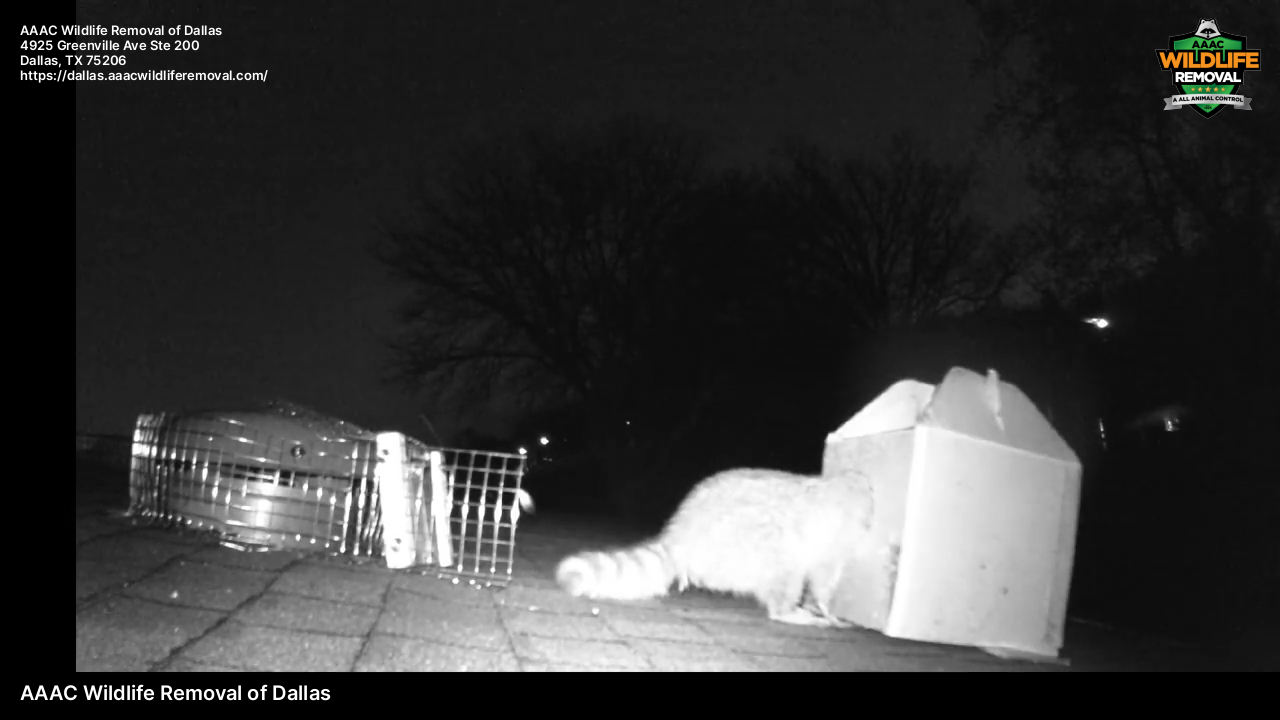
A 1920s Tudor on a tree-lined street had become a raccoon daycare. The homeowner heard chirping at 3 a.m., then a thump, then silence. The ceiling stain above the nursery confirmed it. On inspection, I found an entry gap where a decorative dormer met the main roof. The carpenter who did the last remodel used beautiful cedar fascia, but the soffit ventilation left a 2.25-inch gap behind the crown return, right where the roof meets a mature red oak. For a raccoon, that’s a welcome mat.
Raccoon family work has a seasonal clock. In my area, late winter to mid-spring is denning, with kits born roughly 63 days after breeding. Females move around for safe nesting spots. This house had soft insulation, a warm attic, and easy access. We first verified occupancy. I use thermal imaging for den assessments when possible, not to replace attic crawling but to reduce disruption. The thermal camera showed a tight, warm mass near the valley rafter. No visible movement meant either a sleeping adult or kits too young to wander.
Setting a trap here without a plan would result in one of two risks: orphaned kits or an agitated mother relocating deeper into the structure. So we opted for a one-way door paired with retrieval. We cut a discreet access panel inside a closet to reach the attic, then waited until late evening, when females usually leave to forage. Motion alerts on a low-light camera at the dormer confirmed her exit at 7:58 p.m. The one-way door went on immediately, secured with screws into the fascia and backed by hardware cloth. Then came the quiet part: finding the kits.
Insulation blanketed everything. The thermal camera gave us a rough zone. Once we found the nest, we transferred five kits into a padded reunion box mounted just outside the one-way door, with a heat pad set low. The mother returned at 3:42 a.m., hauled each kit out of the box across the roof, and moved them to an alternate den two houses down. That took one night.
Exclusion is the lasting part. The dormer return needed a custom aluminum cover bent to match the cedar profile, with color-matched screws and 16-gauge hardware cloth behind the soffit vent to maintain airflow. We also pruned back the oak branch to clear six feet from the roofline. The homeowner had asked about a wildlife exterminator, assuming poison might be easier. On a target like raccoons, chemical control is illegal and unethical. Even if it were not, it would have created a much bigger problem with odor and inaccessible carcasses. This job ended with a one-year guarantee, but realistically, the metal work will outlast the roof.
What I’d repeat: the reunion box and camera timing kept the family intact and stress low. What I’d change: I would have scouted the neighborhood for secondary dens before the night of the move. Knowing where the mother would likely go helps set expectations with the client and neighbors.
Skunks under a modular office, and the power of patience
A small business park called after multiple skunk sprays disrupted their week. People think skunks live in forests, but they adore crawlspaces under modular buildings, especially if HVAC cutouts and lattice skirts leave gaps. On the first day, we found three dig-outs, each the size of a grapefruit, along the skirt. The ground smelled faintly, not the eye-watering spray you get after a dog encounter. That usually means regular activity without a recent fight.
Skunks can be trapped, but a cage full of skunk at a busy site is a recipe for drama. I prefer evictions when practical. We installed three one-way doors in the active dig-out zones and skirted the entire perimeter with a buried L-shaped hardware cloth apron, 12 inches down and bent outward at 10 inches. The soil here was sandy, which is gentle on shovels but easy for skunks to tunnel. To slow them, we wet the trench as we backfilled so the sand would compact tightly around the cloth.
Evictions require patience. The first night, the camera caught a skunk nosing at a door but refusing to commit. They are cautious. On the third night, we saw the first exit at 2:10 a.m. Then a second, smaller animal the next night. By day five, no new tracks or nose prints on the doors. We used flour along the baseboards to show footprints, which is cleaner than mud and easy to sweep. That simple trick saved us guesswork.
A week later, the phones stayed quiet. We removed the one-way doors and sealed those openings permanently with matching skirt panels and additional hardware cloth behind them. One tenant asked why we didn’t just trap everything in a day. I told them the truth: trapping would have been quicker to show activity, but we had high foot traffic, kids around after school, and multiple entry points. Getting a near-guaranteed spray under the only accessible ramp would have closed that building for hours. Wildlife removal is not judged only by speed, but by the disruption you cause while achieving a lasting fix.
The attic squirrel that didn’t like peanuts
Many field techs start squirrels with peanuts, sunflower seeds, or apples. They work often enough that they become a habit. A brick colonial with a flat roof addition tested that habit. The homeowner had hearing footsteps just after dawn, a classic gray squirrel schedule. An exterior check found a gnawed corner at the metal drip edge over the addition. The inside attic was a tight wedge with poor access, so one-way doors were the only safe choice.
We mounted two doors at the gnaw point and a second potential hole on the opposite side, then set a pair of traps baited with a peanut-butter-and-oat mix to check whether we had freeloaders. Over the next two mornings, cameras recorded a squirrel exiting, then hanging on the soffit, staring at the door with suspicion. No entry attempts, no trap interest. Meanwhile, the noise continued each morning.
This is where behavior matters more than bait. That squirrel wanted a secure route. The drip edge had become an easy departure but not the preferred return. A quick roof walk showed utility lines running to the chimney, and a small gap under an ornamental clay pot that covered a flue. We repositioned a door at the chimney top, added a trap shelf bolted to the brick, and swapped bait to sliced orange peel with a touch of anise. Squirrels chew bark for moisture and scent, and in some neighborhoods, they bypass nut baits because every bird feeder offers them a buffet.
Within 24 hours, the camera caught an exit through the chimney door. Two days later, no further activity. We sealed the drip edge with a continuous metal cover, not just a patch, because squirrels remember and test. The homeowner wrote a generous review about how we switched tactics after two quiet mornings. The real lesson is that routine baits and placements fail when they ignore the animal’s travel map. Wildlife control succeeds when you follow the routes, not your favorite recipe.
Bats in a historic church with stained glass and no attic lights
Churches are challenging. They have soaring ceilings, hidden voids, and committees. This one dated to the early 1900s with a slate roof and ventilated louvers in the bell tower. Summer services had turned into bat counting sessions, with ushers escorting a handful of little browns out each evening. The congregation wanted humane removal and long-term wildlife exclusion, but not a single visible change to the facade.
Bats are protected in many states, and excluding colonies during maternity season is restricted. We surveyed in late spring and timed the work for late August when flightless pups have already matured. Thermal imaging and droppings analysis confirmed primary roosts in the tower and secondary use along the ridge. Clearing guano in the tower required full PPE, HEPA vacuums, and containment to keep dust away from the organ pipes. The work plan included removing old burlap insulation that had sagged into ideal bat shelves.
Exclusion on a slate roof demands finesse. Standard caulk and foam are worthless here. Ridge vents got stainless steel mesh backed by a breathable underlayment so moisture could still escape. The louvers were beautiful but gapped. We built interior frames with 1/4-inch mesh, painted matte black, installed behind the louvers so from the street they looked unchanged. One-way bat cones went on the two highest eave gaps where staining indicated frequent exits. Flight tests are essential. We observed three evenings from across the street, counting bats and watching their egress angles. Night one: 73 bats left. Night three: 11. Night five: none.
The church committee asked about cleanup costs, which can surprise clients. We gave a range because guano depth varies behind beams and in inaccessible chases. Final billing landed slightly under our estimate, largely because the tower’s access hatch allowed us to stage equipment efficiently. The project ended with an annual inspection plan that tied into their regular roof maintenance. A wildlife exterminator approach would not only be illegal for bats, but counterproductive. The real victory was invisible to most eyes: a dry, sealed structure that still breathes, and a congregation that could hold evening concerts without unwanted chorus members.
Rats in a bakery that never closed its doors
Restaurants and bakeries run on thin margins and hard timelines. When a new bakery called after a health inspection flagged droppings under https://sites.google.com/view/aaacwildliferemovalofdallas/wildlife-removal-services-dallas the proofing racks, they needed an answer fast, without shutting down. Rodents are the realm where many think “exterminator,” but in food environments, permanent results require exclusion first, then population reduction.
The floor plan showed a predictable flaw: a delivery door with a warped sweep and gaps along the jamb. In the back, a floor drain with a missing backflow insert, and behind the ovens, a utility penetration the size of a golf ball. We mapped droppings and rub marks. The heaviest activity lined up with the drain and the oven chase.
Snapping traps reduce numbers quickly, but you need to avoid non-targets and food contamination. We installed secured, lockable stations with snap traps under the steel tables, far from production surfaces, and put a strict service schedule in writing. No loose bait blocks anywhere near dough. For exterior pressure, we used tamper-resistant bait stations along the alley, logged consumption, and asked the owners to schedule trash pickup earlier in the day.
Exclusion took the pressure off in 48 hours. A proper commercial door sweep and jamb seals closed the delivery gap. We installed a one-way drain insert to stop rats from coming up the line, then added a permanent backwater valve scheduled with their plumber for the following week. The oven chase got sealed with stainless steel wool and fire-rated sealant. Over ten days, trap counts dropped from seven per night to zero by day nine. We left monitors in place for another week to confirm.
The owner asked if we could “just spray something.” There is no spray that fixes a missing door sweep, and even if a product kills, it does not hold the door shut at 2 a.m. when the cleaning crew wedges it open. Wildlife removal makes the news when a big animal is involved, but rodent control depends on the same principle: design the building so animals fail.
A warehouse and a fox that wouldn’t take the hint
A distribution warehouse on the outskirts reported a fox den under a concrete loading ramp. The first call came after a forklift driver saw two pups during a smoke break. This posed a safety issue for the animals and workers, not to mention a temptation for feral dogs in the area. The site had regular coyote and fox movement through the perimeter grasslands.
Fox families are touchy. If you block them in, they dig. If you chase them, they scatter and relocate nearby. We staked a plan grounded in gentle pressure and timing. First, we set up cameras to confirm the number of pups and track adult patterns. Four pups, two adults, nightly returns around 4 a.m. The den entrance sat under a cracked slab where the ramp met fill dirt.
We installed a temporary exclusion fence with sight-blocking fabric around the den area to reduce human contact and stress, then put a one-way flap on the main entrance. Because pups were old enough to travel, we added a secondary flap on a side hole we found after the first night’s check. A scent deterrent won’t stop a determined animal, but foxes dislike certain changes. We added bright flags and reflective tape near the flaps to push them toward exploring away from the ramp. Over two nights, the adults moved the pups down the fence line, outside our exclusion zone.
Permanent work involved packing the void under the slab with compacted gravel and flowable fill, then forming a concrete apron with a galvanized skirting lip that tied into the ramp. Around the perimeter, we recommended mowing and a removal of brush piles within 50 feet of the fence. The warehouse manager asked about trapping the adults. In an open landscape with multiple culverts, trapping would be time consuming and offer little permanence. The family moved on naturally once the den stopped feeling safe and accessible. Our wildlife control result wasn’t measured by an animal in a cage, but by a changed environment that stopped future dens in the same spot.

The attic that sounded like a bowling alley but wasn’t
Noise diagnosis forms half the job. A mid-century ranch had what the owner described as “bowling at midnight.” Heavy thumps, followed by scurrying. Many jump to raccoons with that report, but the pattern fit roof rats dropping from trusses to rafters after feeding. The attic access was tiny, but we squeezed through, headlamps on, looking for rub marks and droppings. The hallmark sign was sebum on the truss edges and cumin-sized droppings on the insulation. The scurrying matched. Still, the exterior lacked the usual gaps.
The breakthrough came from a roof inspection at dusk. We found loose mortar around the gable return and a half-inch gap where the soffit met the fascia. Roof rats need only a dime-sized opening. Once inside, they ran the top plate around the house like a track. Traps went in the attic along travel paths, perpendicular to runways, and we used small amounts of attractant to reduce wariness. Exterior bait stations were placed behind shrubs, with clear notes to the homeowner about keeping pets away.
Exclusion required patience and a good ladder. We replaced a section of fascia with a pre-bent aluminum angle that closed the soffit gap cleanly without ruining the home’s look. Mortar repairs sealed the gable return. Within a week, activity dropped to near zero. The “bowling balls” stopped. The homeowner later admitted they had tried ultrasonic devices first. These sometimes shift behavior temporarily, but they don’t beat a hole in wood.
Beaver on a corporate campus pond, and a compromise that worked
A tech campus had invested in a tidy walking path around a retention pond. Then the beavers found it. Within a month, ornamental birches were ankle-shaved on one side, and water levels had risen enough to threaten a low-lying parking area. Local regulations required permits for lethal control. The company preferred a nonlethal solution if it could still protect their landscaping.
We started with a flow device to keep the water level stable. Beaver behavior is key: they respond to the sound and feel of running water by building. A correctly installed device quiets the flow and makes it harder for them to sense where to plug. We built a three-pipe system through the dam, each 10 inches in diameter, with intakes protected by a welded wire cage set far enough into the pond that the beavers couldn’t pack it with mud. The outflow discharged into the lower ditch without visible turbulence that would trigger more building.
Tree protection came next. Wire cylinders of 2-by-4-inch galvanized mesh wrapped around high-value trunks, staked so they wouldn’t slip. For aesthetics, we painted the mesh a muted brown. The facilities team agreed to a trimming plan for saplings the beavers were likely to target. Trapping remained in our back pocket as a contingency if flooding resumed.
Three months later, water held steady even during a heavy rain. The beavers kept working, but on their side of the pond away from offices. This is a useful reminder. Not every wildlife removal case ends with removal. Sometimes the best wildlife control comes from changing flow, protecting assets, and allowing the animals to keep doing what they do where it causes the least harm.
A farmhouse, a chimney, and an owl that needed a quiet exit
Not every call is a nuisance. Sometimes it’s a rescue. A barred owl had dropped into an uncapped chimney and landed on the smoke shelf. The homeowner heard soft wing sounds and called for a wildlife trapper. We arrived with thick gloves, a towel, and a chimney camera. The owl was calm but wedged in a tight space.
A slow approach matters with birds of prey. We dimmed lights, lowered a towel, and gently guided the bird into a padded carrier. No injuries, just soot. After a quick check for wing damage and any obvious eye issues, we released the owl at dusk on the property, away from the road. Then we solved the cause: a missing cap. Chimney caps might look optional to a homeowner, but they are essential for wildlife exclusion. We installed a stainless cap suited to the flue size and left a note about future inspections. That family now has a barn owl box on the far side of their pasture, placed as part of a separate service. They wanted raptors to stay in the area, just not in the fireplace.
Lessons that repeat across very different jobs
The case studies span raccoons, skunks, squirrels, bats, rats, foxes, beaver, and a single owl. The specifics vary, but the successful patterns hold up across species and structures.
- Exclusion outlasts capture. Removing an animal solves a moment. Closing gaps, building barriers, and changing flow prevent the next one. Timing matters. Maternity seasons, nightly routines, and business operations change the right tactic. Small holes cause big problems. Most entries are less than three inches wide. Find the gap, then assume the animal will test the repair. Records and cameras pay for themselves. Verifying exits and timing cuts guesswork and reduces returns. Communication reduces friction. Setting expectations about noise, odors, or delays keeps clients on your side when patience is the right move.
What homeowners and facility managers can do before calling
Not every issue requires a ladder in the rain. A few simple checks, done safely, prevent a lot of calls and help when you do bring in a professional.
- Walk the exterior at dusk with a flashlight at a low angle to catch shadows. Look for gaps at soffits, roof returns, and where pipes penetrate walls. Keep vegetation trimmed six feet back from roofs and fences where possible. Overhanging branches are animal highways. Install proper door sweeps and check weatherstripping, especially on delivery doors and garage entries. Cap chimneys and screen attic vents with wildlife-grade mesh, not just insect screen. Store trash in lidded, intact containers and schedule pickups to minimize overnight smell.
On the term “exterminator,” and why most pros avoid it
People still search for a wildlife exterminator, and the phrase is baked into the culture from a century ago. In modern wildlife removal, extermination rarely describes our work. For protected species like bats and most songbirds, lethal control is illegal and counterproductive. For predators like foxes or raccoons, lethal options are regulated, and even when allowed, they usually fail to address the structural reasons animals show up. The reliable path is wildlife exclusion paired with removal methods that fit the setting. Good wildlife control looks like craftsmanship. It respects laws, protects non-targets, and designs repairs for the next ten winters, not just the next week.
When we get it wrong, and what that teaches
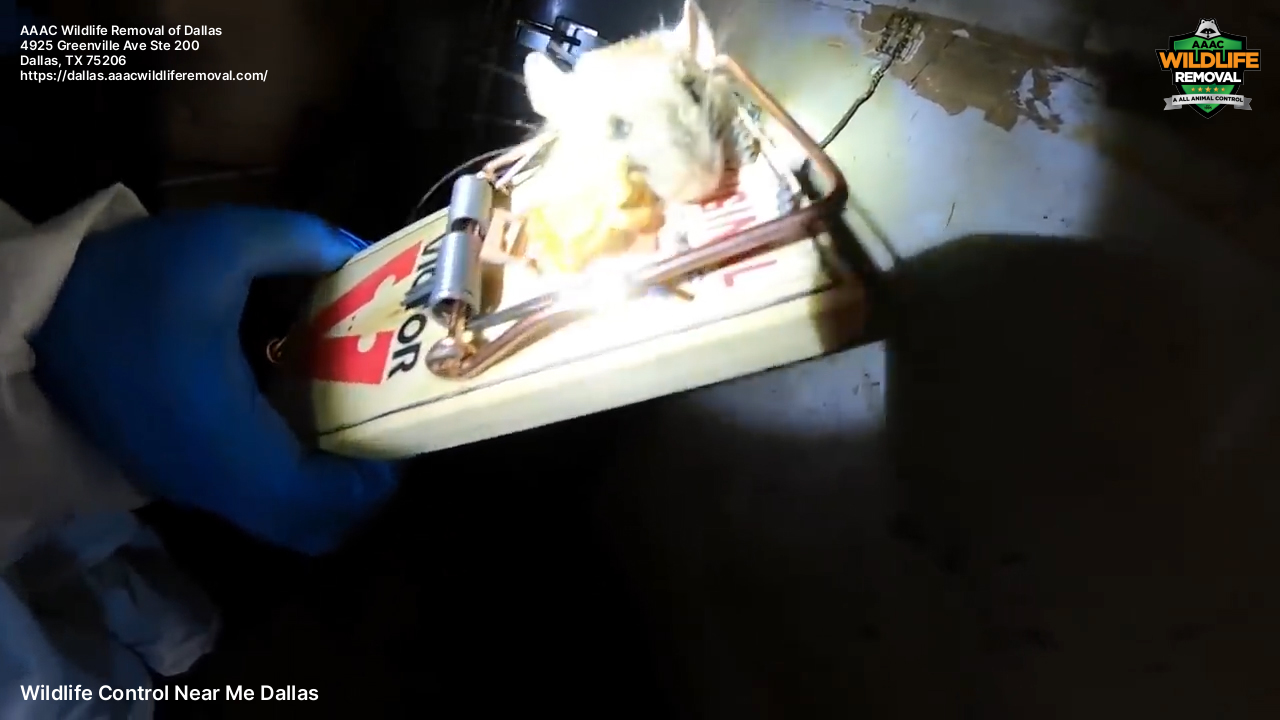
Perfection is a myth. I have had jobs where a one-way door seemed airtight, only to find a bat roost in a hidden pocket I misread. I have set traps that sat empty while a squirrel used a third route I had not considered. The key is the follow-up. Return visits, data from cameras, and the humility to cut out a fresh piece of metal because the first one was the wrong shape, keep failure from becoming habit. Clients remember that you fixed the problem, not whether your first guess was off.
The quiet endgame: buildings that say no
The best praise I get comes a year after a job, when a client tells me they stopped thinking about noises. No midnight scrabbling, no soft chirping, no new stains. Good wildlife removal reduces stress. Good wildlife exclusion prevents its return. That looks like clean seams, vents that are both breathable and secure, and doors that meet the floor without a sliver of light. It looks like a property map where brush piles don’t crowd structures, where water flows without inviting dams that undercut pavement, and where the chimney cap catches a glint of sunlight.
If you manage a facility or own a home, ask your wildlife trapper to show you the sign they used to make decisions. Ask how the animals moved, what time they left, why they chose a certain entry. The best pros light up when they explain those details, because that is the craft. You will hear fewer promises of magic and more talk of metal gauges, mesh sizes, and run patterns. Those specifics, not slogans, are the heart of real-world success stories.